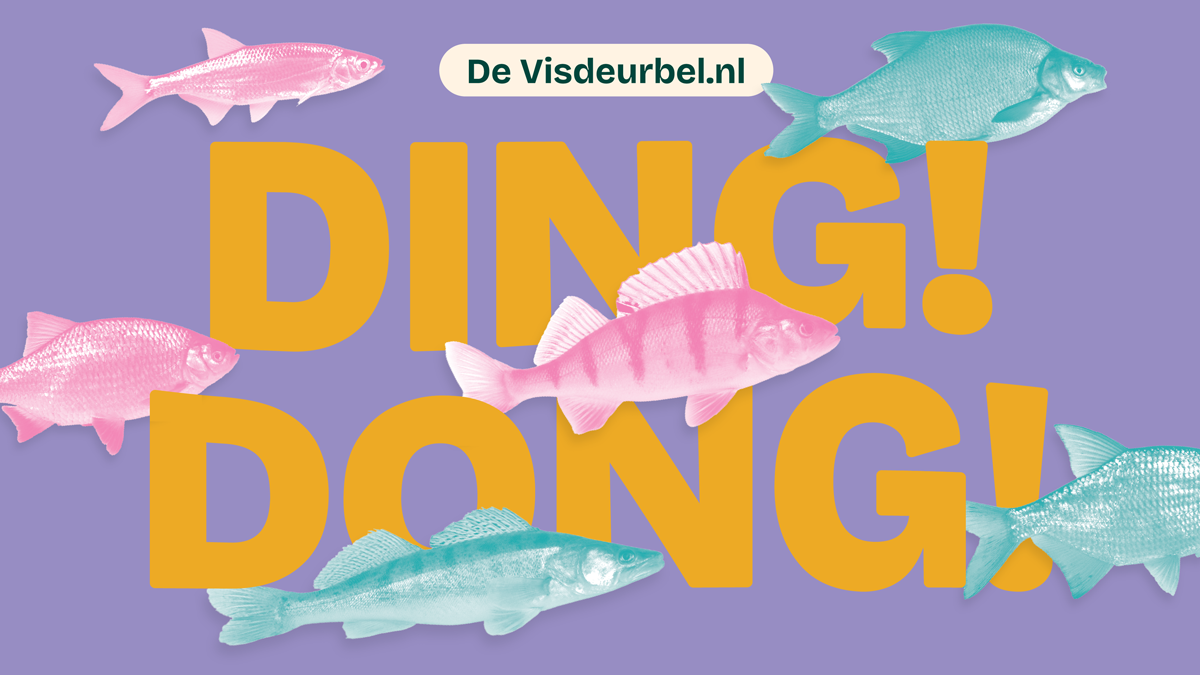
Ring the Visdeurbel: Your Guide to Helping Migrating Fish in Utrecht
Imagine a doorbell that doesn't chime for delivery drivers or dinner guests, but for a passing school of fish. In the charming city of Utrecht, Netherlands, this isn't a whimsical dream but a groundbreaking reality. Welcome to the world of the Utrechtse visdeurbel – an ingenious blend of technology, community engagement, and ecological conservation that’s captivated audiences worldwide. This innovative project invites you, wherever you are, to become a vital part of protecting migrating fish, ensuring their journey through the bustling Dutch waterways continues unhindered.
The Utrechtse visdeurbel is more than just a quirky attraction; it's a testament to collaborative conservation. Born from a partnership between the Municipality of Utrecht, Waterboard De Stichtse Rijnlanden, and Water Authority Amstel, Gooi, and Vecht, it addresses a critical challenge faced by aquatic life: navigating human-made barriers. By offering a digital window into the underwater world and a direct line to help, this project transforms passive observation into active participation, making every viewer a guardian of the canals.
How Your "Ding Dong" Makes a Difference: The Mechanics of the Utrechtse Visdeurbel
At the heart of the Utrechtse visdeurbel lies a simple yet profound problem: migrating fish, essential for healthy ecosystems, often encounter obstacles like canal locks. These locks, while vital for boat traffic, can become impassable barriers, leaving fish stranded and vulnerable to predators. Local ecologists in Utrecht recognized this dilemma, understanding that masses of fish getting stuck meant not only individual loss but a disruption to the entire aquatic food web and breeding cycles.
Their brilliant solution was to install an underwater webcam, providing a live, 24/7 stream of the lock area. This constant vigil allows anyone with an internet connection to peer into the murky depths and spot fish congregating at the gate. The real magic happens when you, the viewer, identify a fish in need. By simply clicking a virtual "doorbell" button on the website, you send an immediate notification to a local lock operator.
Upon receiving your "ding dong," the operator checks the live feed themselves. If they confirm a fish—or a school of fish—is indeed waiting, they open the lock, providing a safe passage for the aquatic travelers. This direct, human-assisted intervention helps fish avoid becoming easy prey and allows them to continue their crucial migration to spawning grounds and feeding areas. But the benefits extend beyond immediate assistance. Every time you ring the bell, you're also prompted to identify the species of fish you've spotted. This ingenious citizen science component helps the collaborating authorities gather invaluable data on fish populations, migration patterns, and overall biodiversity within Utrecht's waterways. It's a powerful feedback loop, turning curious observers into active contributors to scientific research and conservation efforts.
Maximizing Your Fish-Spotting Success with the Utrechtse Visdeurbel
While the allure of helping fish with a single click is undeniable, timing and strategy can significantly enhance your experience with the Utrechtse visdeurbel. Like any wildlife observation, knowing when and how to look can make all the difference between an empty screen and a bustling underwater highway.
Optimal Viewing Times and Seasons:
- Dawn and Dusk: Generally, these are the golden hours for fish spotting. Just as land animals are more active during twilight, many fish species find these low-light conditions safer for travel, offering natural cover from predators.
- Night Owls, Rejoice: If you're hoping to catch a glimpse of more elusive species like eels or zander, tuning in after dark significantly increases your chances. These nocturnal hunters and travelers prefer the cloak of night.
- Seasonal Shifts: The fish migration season typically kicks off in March, but activity truly escalates in April as the waters warm. Early spring might see fewer fish, but it often means fewer viewers too, potentially giving you a better chance to ring the doorbell without encountering a 'busy' signal. As spring progresses and into early summer, the canals become more vibrant with migratory life.
Navigating Time Zones:
Utrecht operates on Central European Time (CET), which is UTC +1. If you're watching from another part of the world, a quick conversion is essential. For example, if dawn in Utrecht is around 7 AM CET, that would be 1 AM EST (New York) or 10 PM PST (Los Angeles) the previous day. Planning your viewing around these optimal times in Utrecht's local time will yield the best results.
Tips for a Rewarding Experience:
- Patience is a Virtue: The canals aren't always teeming with fish. Sometimes you'll need to watch for a while. Think of it as a virtual meditation with a purpose.
- Mind the Crowds: The Utrechtse visdeurbel has become incredibly popular. If the livestream is experiencing high traffic, the doorbell function might be temporarily unavailable to ensure fair access. Don't be discouraged! You can still observe and use the checklist to identify species, contributing to data collection. Try again at a less crowded time for your chance to ring.
- Make it an Educational Experience: Especially with kids, the visdeurbel can be a fantastic learning tool. Challenge them to identify different fish shapes, discuss migration, and understand the importance of healthy aquatic environments.
- Check the Project Website: Often, the official Utrechtse visdeurbel website will provide updates on fish activity, seasonal highlights, and technical information, helping you plan your visit strategically.
Beyond the Bell: The Broader Impact of the Utrechtse Visdeurbel
The immediate thrill of helping a fish navigate a lock is just one facet of the Utrechtse visdeurbel's profound impact. This pioneering project contributes significantly to ecological health, scientific understanding, and public engagement, extending its benefits far beyond the individual fish it assists.
Enhancing Ecological Resilience:
A healthy fish population is a cornerstone of a thriving aquatic ecosystem. Migrating fish are crucial for distributing nutrients, controlling insect populations, and serving as a food source for other wildlife. By facilitating their passage, the visdeurbel helps maintain genetic diversity within fish populations and ensures they can reach their spawning grounds, leading to successful reproduction. In turn, a robust fish community contributes directly to cleaner waters. Fish play a natural role in controlling algae and other organisms, improving the overall water quality of Utrecht's famous canals and the wider river networks they connect to. This project is a powerful demonstration of how targeted interventions can bolster the natural resilience of our freshwater systems.
A Hub for Citizen Science and Data Collection:
The prompt to identify fish species every time a viewer rings the doorbell transforms the platform into an invaluable citizen science initiative. This crowdsourced data provides local ecologists and water authorities with real-time, comprehensive insights into the types and numbers of fish utilizing the waterways. Over time, this information can reveal critical trends in migration patterns, population health, and the presence of invasive species. Such data is instrumental in informing future conservation strategies, habitat restoration projects, and policies aimed at improving water quality and freshwater marine life in these vital ecosystems. It's a testament to the power of collective observation in advancing scientific understanding and conservation.
Fostering Global Awareness and Connection:
Perhaps one of the most unexpected yet impactful benefits of the Utrechtse visdeurbel is its ability to connect a global audience with the natural world. It invites people from every corner of the planet to witness the often-unseen lives thriving beneath the surface of urban waterways. This exposure cultivates a deeper appreciation for biodiversity and the challenges faced by aquatic life. For many, it's their first direct encounter with fish migration, sparking curiosity and encouraging environmental stewardship. The project beautifully highlights how much life teems within the Dutch canals, turning a seemingly ordinary urban landscape into a vibrant ecological stage. It demonstrates that meaningful conservation can be interactive, accessible, and surprisingly fun, bridging geographical distances to create a worldwide community united by a shared purpose: helping fish thrive.
Join the Global Movement: Your Call to Action for the Utrechtse Visdeurbel
The Utrechtse visdeurbel is a shining example of how innovation, collaboration, and public engagement can come together to create a tangible impact on our environment. It’s more than just a livestream; it’s an invitation to become an active participant in global conservation, a digital guardian of the underwater world. By tuning in, patiently observing, and ringing that virtual doorbell, you're not just watching fish; you're actively helping them complete their vital journeys, contributing to invaluable scientific data, and fostering a deeper appreciation for the delicate balance of our aquatic ecosystems.
So, the next time you have a moment, perhaps during dawn or dusk in Utrecht's time zone, consider paying a visit to the visdeurbel. Join the hundreds of people around the world who are already making a difference. Your click might just be the signal that helps a school of fish reach their destination, ensuring the continued health and vibrancy of Utrecht's waterways for generations to come. Ring the bell – for the fish, for the canals, and for a more connected planet.