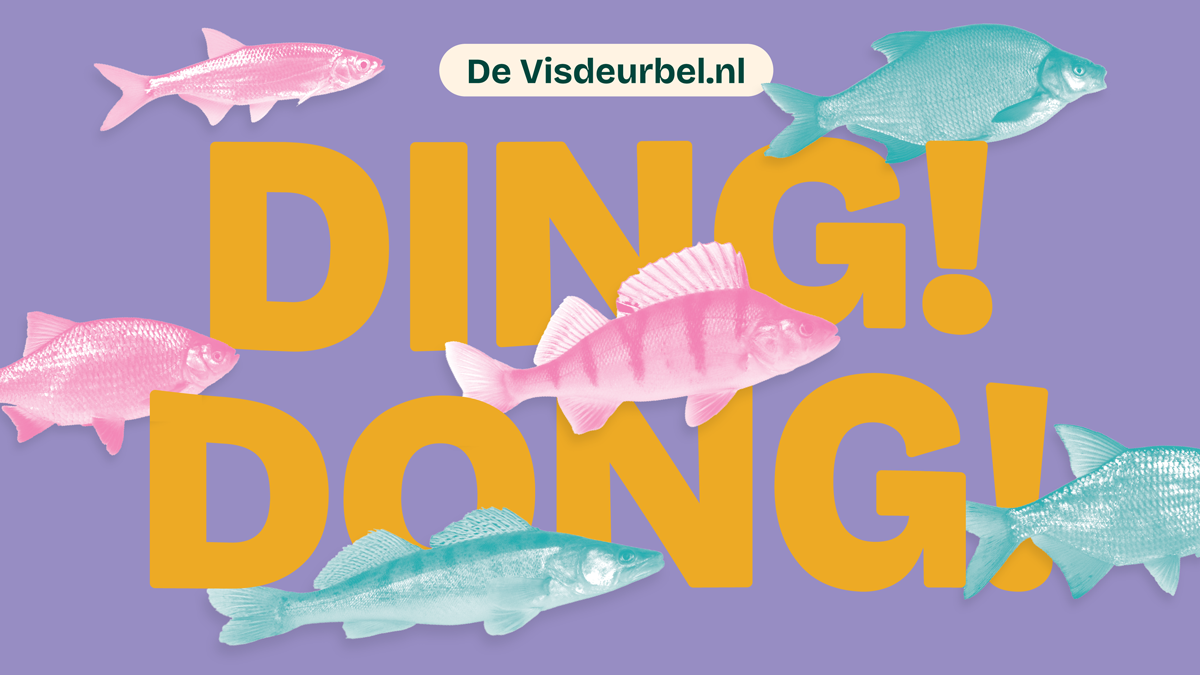
Utrecht's Fish Doorbell: A Global Livestream Saving Underwater Migrants
In the charming city of Utrecht, Netherlands, an innovative project has captured the hearts and imaginations of people worldwide. It's known as the
Utrechtse visdeurbel, or "fish doorbell," and it represents a unique blend of technology, environmental conservation, and global community engagement. Far more than just a quirky local attraction, this live-streaming phenomenon allows anyone with an internet connection to become a virtual guardian of migrating fish, helping them navigate a crucial bottleneck in their journey. This comprehensive guide delves into the fascinating world of Utrecht's fish doorbell, exploring its purpose, how it works, its broader ecological impact, and how you can participate in this heartwarming initiative.
The Innovative Idea Behind the Utrechtse Visdeurbel
Imagine being a fish, driven by ancient instincts to travel upstream to your spawning grounds. You encounter a formidable barrier: a closed lock gate in a bustling city canal. Here, vulnerable and exposed, you become an easy target for predators, and your vital migratory journey grinds to a halt. This was the exact predicament faced by countless fish in Utrecht's intricate network of canals, particularly at the Weerdsluis lock. Ecologists and local authorities observed a concerning trend: migrating fish were getting stuck, leading to increased predation and disruptions in their life cycles.
Recognizing the severity of the issue, a groundbreaking three-way collaboration was forged. The Municipality of Utrecht joined forces with the Waterboard De Stichtse Rijnlanden and Water Authority Amstel, Gooi, and Vecht to devise a solution that was as ingenious as it was effective. Their answer? The
Utrechtse visdeurbel.
At its core, the fish doorbell is an underwater webcam submerged by the lock. This camera streams live footage, 24/7, inviting a global audience into the hidden world beneath the canal's surface. Viewers from across continents can tune in, observe fish swimming by, and, crucially, interact with the system. If a viewer spots a fish waiting at the closed lock gate, they can virtually "ring" a doorbell. This action instantly notifies a lock operator, who then assesses the situation and, if fish are indeed present, opens the lock to allow them to continue their journey. This simple yet powerful mechanism not only facilitates migration but also significantly reduces the risk of fish falling prey to predators while trapped at the barrier. It's a testament to how human ingenuity can leverage technology to protect and nurture the natural world, even in an urban environment.
How You Can Become a Fish Guardian: Ringing the Visdeurbel
Participating in the
Utrechtse visdeurbel project is surprisingly simple and immensely rewarding. It transforms passive viewing into active conservation, making you a direct contributor to the well-being of Utrecht's aquatic inhabitants.
To get started, simply navigate to the official visdeurbel livestream. Once there, you'll be greeted by an enchanting underwater vista. Your mission, should you choose to accept it, is to spot a fish patiently waiting near the lock.
Here are some practical tips to maximize your fish-spotting success:
*
Timing is Key: While the livestream runs continuously, fish activity varies. The best times to spot fish are typically around
dawn and dusk when they are most active and migrating. If you're hoping to catch a glimpse of more elusive species like eels or zander, tuning in at
night offers your best chance, as these nocturnal creatures are more likely to be on the move under the cover of darkness. Keep in mind Utrecht is in Central European Time (CET), currently UTC +1, so adjust your viewing times accordingly based on your local time zone.
*
Seasonal Activity: The "season" for the fish doorbell generally kicks off in March, but activity truly picks up in April as the waters warm and more fish begin their migratory journeys. Early spring might see fewer fish, but a dedicated viewer can still spot some pioneers.
*
Ringing the Bell: When you successfully spot a fish, look for the "ring the doorbell" button on the interface. Clicking it sends a notification to the lock operator. To avoid 'false alarms,' the system often includes a quick confirmation or even a request to identify the type of fish you've seen, adding a valuable data collection element to your participation.
*
Dealing with Crowds: The
Utrechtse visdeurbel has become incredibly popular. During peak times, especially in the heart of spring, hundreds of people might be watching simultaneously. If the doorbell feature is temporarily unavailable due to high traffic, don't despair! You can still enjoy watching the fish and even use the integrated checklist to track the species you identify. Try again at a less crowded time for your chance to ring the bell.
Becoming a fish guardian is an empowering experience. It connects you directly to a crucial environmental effort, reinforcing the idea that even small actions can have a significant impact. For a more detailed walkthrough and expert advice on optimizing your chances of ringing the bell, check out our guide:
Ring the Visdeurbel: Your Guide to Helping Migrating Fish in Utrecht.
Beyond Migration: The Broader Impact of the Fish Doorbell Project
The immediate benefit of the
Utrechtse visdeurbel – aiding fish migration – is clear, but the project's significance extends far beyond simply opening a lock. It serves as a multi-faceted initiative contributing to ecological research, public awareness, and overall water quality improvement.
Firstly, the continuous livestream and the interactive species identification feature contribute to a crucial dataset. Every time a viewer identifies a fish, or when the lock operator observes the situation, valuable information is gathered. This data helps local ecologists and water authorities understand:
*
Species Diversity: Which types of fish are using Utrecht's waterways for migration?
*
Migration Patterns: When are different species migrating? Are there peak times or seasonal shifts?
*
Population Health: The number and size of fish observed can provide insights into the overall health and abundance of local fish populations.
This rich stream of information is vital for informed conservation strategies. It allows authorities to tailor their efforts, identify areas for improvement, and monitor the long-term impact of environmental policies on freshwater ecosystems.
Secondly, the fish doorbell acts as a powerful educational tool and a catalyst for public awareness. Many urban residents are disconnected from the natural world existing beneath the surface of their canals. The visdeurbel lifts that veil, revealing the surprising amount of aquatic life thriving in Utrecht's waters. It fosters a deeper appreciation for these hidden ecosystems and highlights the importance of keeping our waterways clean and healthy. Children, in particular, are often captivated by the livestream, making it a fantastic educational resource for understanding biodiversity and environmental responsibility.
Finally, a healthy fish population is a strong indicator of good water quality, and indeed, plays an active role in maintaining it. Fish are an integral part of the aquatic food web, helping to keep the ecosystem balanced. By ensuring fish can migrate freely to their spawning grounds, the
Utrechtse visdeurbel contributes to the overall vitality and resilience of Utrecht's canals and rivers. This, in turn, benefits all forms of local wildlife and enhances the quality of life for the city's human inhabitants. Discover more about how this initiative ties into broader environmental goals in our article:
Visdeurbel Season is Back: How Utrecht Improves Fish Migration & Water Quality.
Maximizing Your Utrechtse Visdeurbel Experience: Expert Tips
Engaging with the
Utrechtse visdeurbel can be an incredibly rewarding experience, but a little preparation and understanding can significantly enhance your enjoyment and effectiveness as a fish guardian.
Here are some expert tips to help you make the most of your time on the livestream:
*
Patience is a Virtue: Remember that you're observing nature. Fish don't operate on a fixed schedule. There will be times when the stream is bustling with activity and times when it's quiet. Enjoy the tranquility and the occasional surprise.
*
Understand the Time Zones: As mentioned, Utrecht operates on Central European Time (CET), which is currently UTC+1. If you're in a different time zone, calculate the difference carefully to align your viewing with Utrecht's dawn, dusk, and nighttime hours for optimal fish spotting. For example, if Utrecht's sunrise is around 7 AM CET, that would be 1 AM EST (UTC-5) or 10 PM PST (UTC-8) the previous day.
*
Utilize the Species Chart: The platform often features a chart or checklist of common fish species found in the canals. Familiarize yourself with these profiles. Knowing what to look for – characteristic shapes, fin types, colors – will make it easier to identify a fish when it appears and contribute accurate data when you ring the bell. Common sightings include roach, bream, perch, pike, and sometimes even carp or the aforementioned zander and eels.
*
Join the Community: Many viewers engage in online discussions or use integrated chat features (if available on the platform). Sharing your sightings, asking questions, and learning from others can make the experience even more enjoyable and educational. It’s a global community united by a shared purpose.
*
Learn About Fish Behavior: A quick online search about freshwater fish migration and behavior can add another layer of appreciation to your viewing. Understanding why fish move, what conditions they prefer, and how they react to obstacles will make you a more observant and informed participant.
*
Check for Updates: The project team sometimes provides updates on fish activity, seasonal changes, or technical notes. Keeping an eye on their official channels or website can offer valuable insights.
By approaching the
Utrechtse visdeurbel with these tips in mind, you're not just a passive observer; you become an engaged citizen scientist, contributing to a unique and vital conservation effort.
Conclusion
The
Utrechtse visdeurbel is a shining example of how local problems can inspire global solutions. It beautifully combines simple technology with community spirit to address a pressing ecological need, saving countless migrating fish and fostering a deeper connection between people and the natural world. This innovative project not only safeguards aquatic biodiversity in Utrecht's historic canals but also collects invaluable data and raises environmental awareness on an international scale. By tuning into the livestream, you become part of a global movement, offering a helping fin to these underwater travelers. So, the next time you're looking for a meaningful way to spend a few moments online, consider joining the thousands of virtual guardians. Watch, wait, and when you spot a fish, give that doorbell a ring – you might just be saving a life.