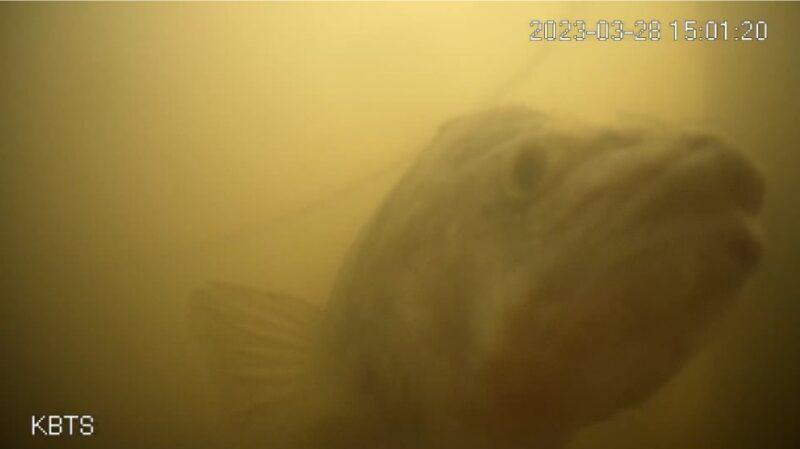
Spring has sprung, and with it, the much-anticipated return of a truly unique and heartwarming initiative: the Utrechtse visdeurbel! For those unfamiliar with this ingenious Dutch invention, prepare to be captivated by a blend of technology, ecology, and citizen science that is revolutionizing how we interact with our underwater world. The "fish doorbell" is more than just a quirky name; it's a vital lifeline for migrating fish in Utrecht's intricate canal system, and its annual season beckons a global community to play an active role in environmental conservation and improved water quality.
Every year, as the waters warm, countless fish embark on their instinctual journeys to spawning grounds. However, human infrastructure, particularly the many locks that regulate water flow, can become insurmountable barriers. This is where Utrecht steps in with its innovative solution, spearheaded by a powerful three-way collaboration between the Municipality of Utrecht, Waterboard De Stichtse Rijnlanden, and Water Authority Amstel, Gooi, and Vecht. Together, they've created a system that not only helps fish but also offers an unparalleled window into the vibrant, often hidden, aquatic life beneath the surface.
What is the Utrechtse Visdeurbel and How Does it Work?
At its heart, the Utrechtse visdeurbel is a sophisticated yet user-friendly system designed to facilitate fish migration through a canal lock in Utrecht, Netherlands. Imagine an underwater surveillance camera, live-streaming its feed 24/7 to the internet. This isn't just for passive viewing; it's an interactive portal. Here’s the magic:
- Live Underwater Camera: A submerged camera captures real-time footage of fish congregating at the lock gate, awaiting passage.
- Global Accessibility: Anyone, anywhere in the world, can tune into the live stream through a web browser.
- Virtual Doorbell: When a viewer spots a fish or a school of fish patiently waiting, they can virtually "ring" the doorbell with a simple click on the website.
- Operator Notification: This digital ring immediately alerts a local lock operator. The operator then observes the situation via their own feed and, if fish are indeed present, opens the lock gate to allow them to continue their journey.
- Data Collection: Beyond facilitating passage, the system also incorporates a crucial data collection element. When you ring the doorbell, you're often prompted to identify the species of fish you've spotted. This crowdsourced information provides vital ecological data to local authorities, offering insights into fish populations, migration patterns, and overall aquatic health.
This ingenious setup not only ensures fish can bypass obstacles but also protects them from opportunistic predators that often lurk around bottlenecks, making their migration more efficient and safer.
Why the Visdeurbel is Crucial for Utrecht's Ecosystem
The impact of the Utrechtse visdeurbel extends far beyond simply opening a gate for a few fish. It plays a pivotal role in maintaining the ecological balance and enhancing the overall health of Utrecht's waterways. Here's why this initiative is so vital:
Facilitating Fish Migration and Biodiversity
Locks and weirs, while essential for navigation and water management, fragment natural waterways, creating significant barriers for migrating fish. Many species, from the elusive eel to the feisty zander and various smaller "tiddlers" and larger "bigg'uns," need to move between different parts of a river system for spawning, feeding, and seeking refuge. Without assistance, these fish can become trapped, leading to:
- Increased Predation: Stagnant water and confined spaces around locks make fish easy targets for predators like herons, cormorants, and larger predatory fish.
- Reduced Spawning Success: If fish cannot reach their designated spawning grounds, their reproductive cycles are disrupted, leading to declining populations.
- Genetic Isolation: Preventing the movement of fish can lead to isolated populations with reduced genetic diversity, making them more vulnerable to disease and environmental changes.
The Visdeurbel directly addresses these issues by providing a timely passage, ensuring fish can complete their life cycles safely and effectively, thereby supporting a robust and diverse aquatic ecosystem.
Improving Water Quality and Ecological Health
A healthy fish population is a strong indicator of good water quality and, crucially, contributes to it. Fish play various roles in an aquatic ecosystem:
- Controlling Algae and Insect Populations: Herbivorous fish graze on algae, preventing overgrowth, while many fish species feed on insect larvae, helping to control mosquito populations.
- Nutrient Cycling: Fish help redistribute nutrients throughout the water column and substrate, supporting the growth of aquatic plants and microorganisms.
- Maintaining the Food Web: They form a critical part of the food chain, supporting birds, mammals, and other aquatic life.
By ensuring fish can thrive, the Visdeurbel indirectly supports a cleaner, healthier aquatic environment, which benefits not only wildlife but also human enjoyment of the canals. The data gathered through species identification also provides invaluable insights for water management authorities, allowing them to make informed decisions to improve water quality and freshwater marine life in these ecosystems.
Fostering Global Engagement and Awareness
One of the most remarkable aspects of the Utrechtse visdeurbel is its ability to engage a global audience. Hundreds, sometimes thousands, of people from all corners of the world tune in daily. This widespread participation cultivates a greater understanding and appreciation for aquatic life and conservation efforts. It transforms passive viewing into active participation, turning everyday citizens into citizen scientists. This project beautifully highlights how accessible technology can be harnessed for environmental good, inspiring similar initiatives worldwide.
How to Participate in the Visdeurbel Season: Tips for Success
Ready to join the ranks of virtual fish helpers? Here’s how you can make the most of the Utrechtse visdeurbel season and contribute to a healthier ecosystem:
- Timing is Everything: While fish activity begins in March, it truly picks up in April as temperatures rise. The best times to spot fish are generally around dawn and dusk, as fish prefer to travel under the cover of low light to avoid predators. For specific species like eels or zander, try tuning in at night.
- Mind the Time Zone: Utrecht is in Central European Time (CET), currently UTC +1. If you're in a different time zone, plan accordingly. For instance, if the sun rises around 7 a.m. in Utrecht, that's midnight CST in the U.S.
- Patience is a Virtue: Especially in the early spring, the waters might still be cool, and fish might be scarcer. There might also be more viewers than fish! Don't get discouraged if you don't see fish immediately; keep watching, and you might be rewarded with a "bigg'un" or a school of "tiddlers."
- The Doorbell Queue: If the livestream is crowded, the doorbell function might be temporarily unavailable to prevent spamming. You can still watch and use the checklist to identify species you spot. Try again during less busy periods for a chance to ring the Visdeurbel.
- Learn and Identify: Take advantage of the species identification chart. It's a fun way to learn about the various fish inhabiting Dutch canals and contributes valuable data to the ecologists studying the waterways.
Conclusion
The Utrechtse visdeurbel is a shining example of how innovation, collaboration, and community engagement can address complex ecological challenges. It’s a testament to Utrecht's commitment to environmental stewardship and a vibrant invitation for the world to participate. By simply tuning in and clicking a button, you're not just watching; you're actively contributing to fish migration, biodiversity, and the ongoing improvement of water quality in one of the Netherlands' most famous cities. So, as Visdeurbel season returns, dive into the livestream, spot those fish, and ring that doorbell – you'll be making a tangible difference, one fin at a time.